The Discipline to Win
Performance Is a 24-Hour Decision
After the previous reflection on mindset and the extremely positive response to the recent Inside the Program conversation featuring Head Coach Michelle Collier, we continue exploring another essential dimension of high performance: discipline.
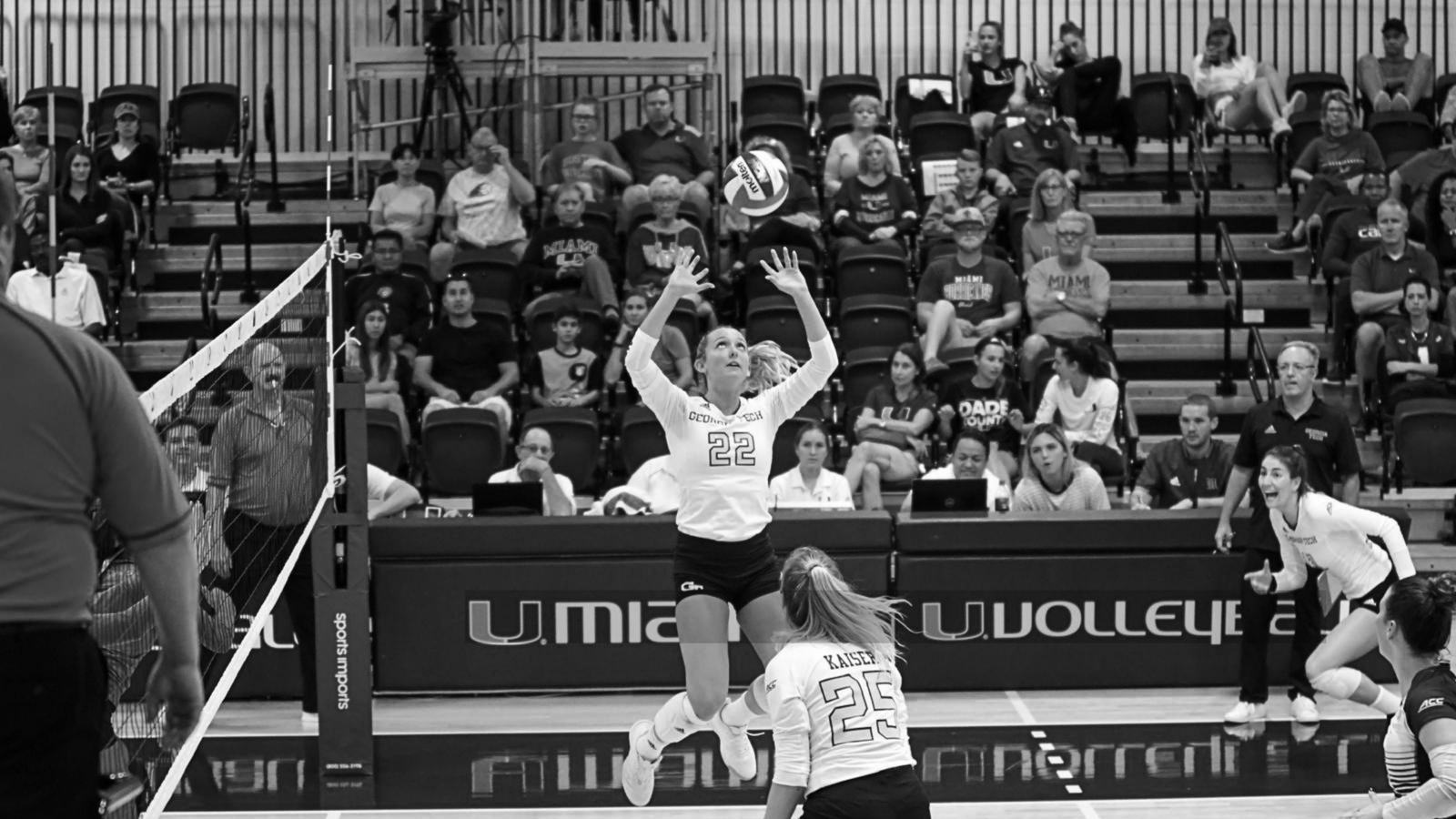
Following this reflection, we return to Inside the Program — this time with a former Georgia Tech player, one of the most accomplished setters in the history of the program, sharing her perspective from the athlete’s side of the game.
In the previous reflection, we explored the difference between fixed and growth mindset.
Mindset determines how athletes respond to challenges, correction, and development.
But mindset alone is not enough.
High performance requires discipline.
And discipline extends far beyond the hours spent on the court.
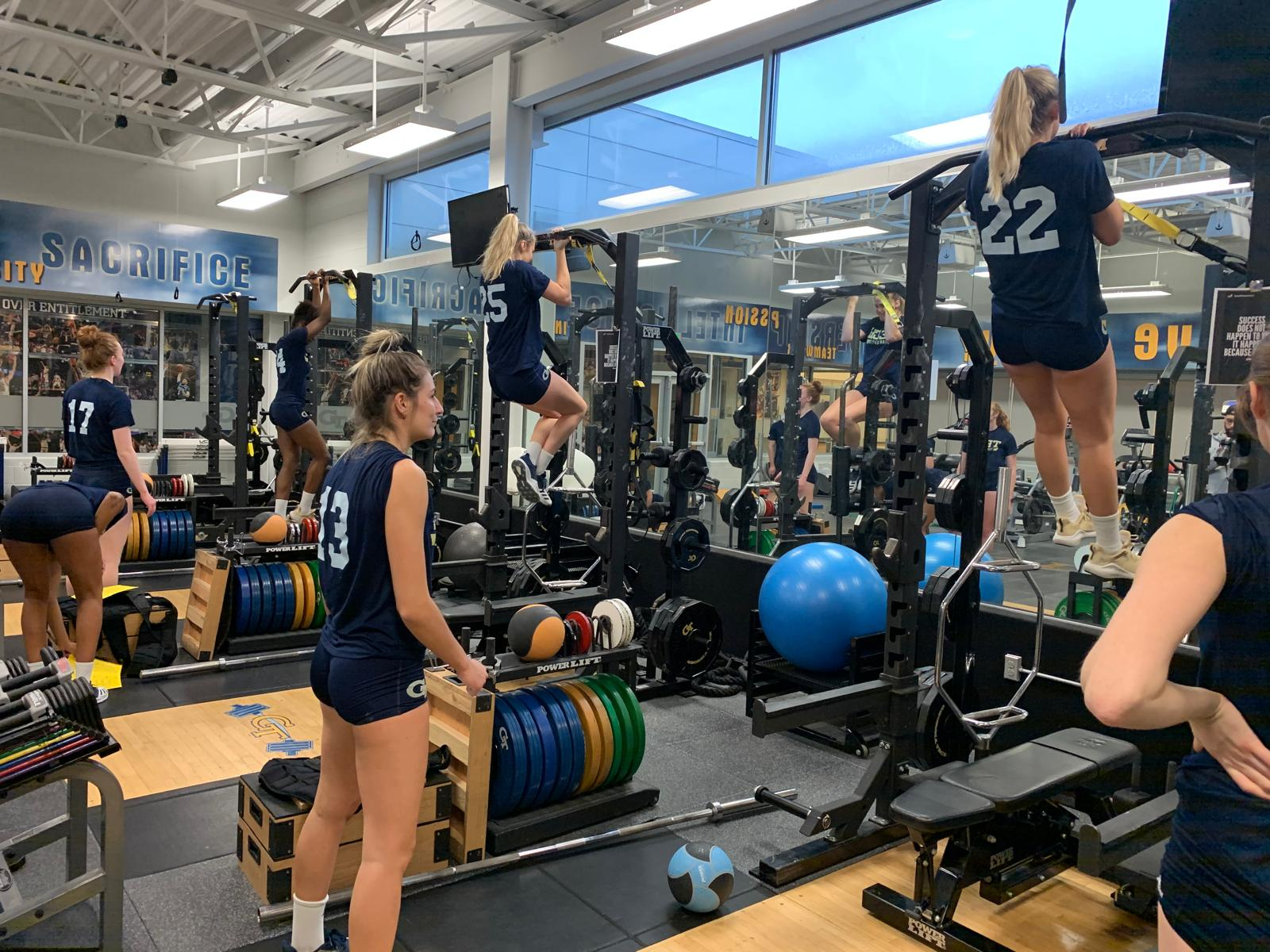
The Physical Is Not Negotiable
There is something I am very clear about as a coach:
Physical preparation is not optional.
It is not negotiable.
You cannot improve technically or tactically if your body cannot sustain the demands of training.
Training prepares you for the game.
The game exposes your preparation.
There was a time when talented players would say:
“I don’t need to train hard. In the game, I perform.”
Yes — exceptional talent can sometimes survive that way.
But the complete athlete — even if not a genius — who is stronger, better conditioned, and mentally prepared will compete equally.
Fatigue exposes mindset.
If you want to accelerate a powerful car, you need fuel.
The faster you go, the more fuel you burn.
In volleyball, if you want to jump higher, hit harder, and move faster — your body must support it.
You must endure more to become more.
The Invisible Training
There is another dimension of performance that rarely receives attention.
Invisible training.
It is what happens outside practice.
Sleep.
Nutrition.
Hydration.
Recovery.
Mental regulation.
Emotional balance.
Lifestyle discipline.
And also self-managed physical care.
Ice baths or localized ice application when necessary.
Compression recovery boots that assist circulation and muscular recovery.
Soft-tissue work and massage tools.
Mobility routines.
Preventive exercises prescribed by medical staff.
Recovery is not passive.
It is intentional.
Performance is not built only during practice.
It is built in the hours no one sees.
High performance is a 24-hour responsibility.
Beyond the Court
High performance is not built only on the court.
What athletes do beyond the court influences everything that happens during training and competition.
Sleep habits.
Nutrition choices.
Recovery discipline.
Emotional regulation.
Lifestyle decisions.
These elements may not appear in the box score, but they directly influence performance.
The athlete who understands this begins to treat preparation as a complete system — not only a practice schedule.
Performance is built both on the court and beyond the court.
“The Only Easy Day Was Yesterday”
At the Brazilian National Training Center in Saquarema, there is a phrase written on the wall:
“The only easy day was yesterday.”
Yesterday was hard.
But it is finished.
Today demands growth again.
If today feels easy, you are probably not pushing enough.
Growth is built on controlled discomfort.
A Practical Example — The Olympic Standard
During our Olympic preparation cycle before Beijing 2008, we established a physical benchmark.
Cuba was our physical reference.
Over four years, our physical standard was not negotiable.
At the beginning, there were complaints.
Training was harder.
Demands increased.
Standards were raised.
But when athletes began to see their own transformation — stronger bodies, better conditioning, greater resilience — belief followed effort.
Acceptance created confidence.
Confidence created performance.
That is growth mindset expressed through discipline.
Not motivational language.
Applied commitment.
Discipline Sustains Excellence
Talent may open the door.
Mindset may allow growth.
But discipline determines longevity.
The athlete who treats performance as a daily responsibility continues to evolve.
The athlete who negotiates standards eventually stagnates.
In volleyball.
In sport.
And in life.
Excellence is not a moment.
It is a pattern.
And that pattern is built every day.
Coach Notes
For athletes and coaches:
• Performance is built throughout the entire day — not only during practice.
• Physical preparation supports technical and tactical development.
• Recovery is part of training.
• Lifestyle discipline influences performance more than most athletes realize.
• Talent may open opportunities, but discipline sustains excellence.
High performance is not a single decision.
It is a daily commitment repeated over time.
Next Inside the Program
Next, we return to Inside the Program with a former Georgia Tech setter sharing her perspective on leadership, learning, development, and life beyond competition.
⸻
Standards create discipline.
Discipline sustains excellence.
From fundamentals to gold standards.
Claudio Pinheiro